
Advancing American Open Ocean Aquaculture Legislation
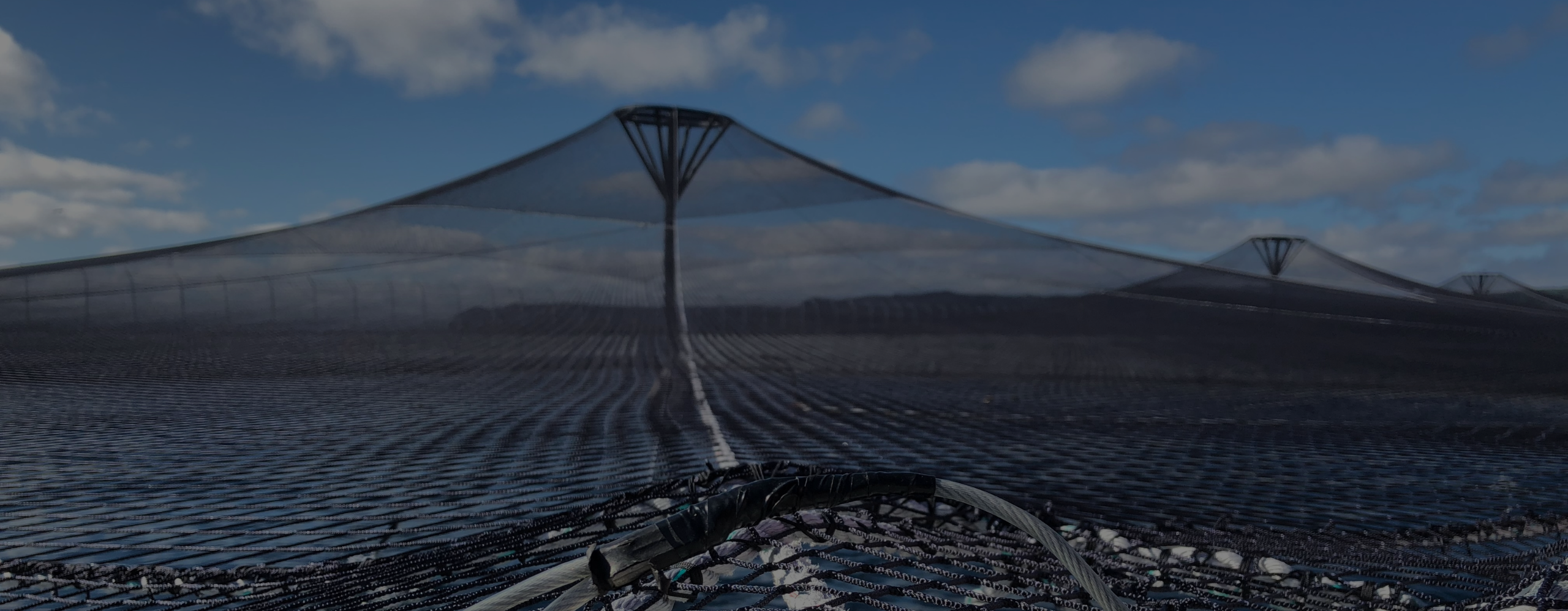
A Look at the Marine Aquaculture Research for America (MARA) Act
The Coalition for Sustainable Aquaculture (CSA) applauds the introduction of the MARA Act, a significant advancement toward establishing sustainable open ocean aquaculture in the United States. This legislation aligns with CSA’s mission to promote a science-based, stakeholder-led approach that ensures open ocean aquaculture is safe, sustainable, and grounded in scientific evidence.
What is the MARA Act?
The bipartisan MARA Act establishes a strong foundation for sustainable open ocean aquaculture in the United States. It prioritizes environmental protections, strengthens community benefits, invests in workforce development, and advances scientific research—ensuring the responsible growth of the U.S. aquaculture industry.
The MARA Act will:
- Create a path for commercial-scale demonstration projects with strict environmental performance standards to better understand scientific, environmental, and economic aspects of open ocean aquaculture in the U.S.
- Establish a NOAA demonstration project permit and tasks NOAA with coordinating federal permit reviews and consultations required under existing laws
- Commission studies by the National Academies of Science and the Government Accountability Office
- Formally establish NOAA’s Office of Aquaculture
- Create Aquaculture Centers for Excellence at educational institutions, including minority serving institutions, to advance research, innovation, and education in sustainable aquaculture practices.
- Create grants to train a new generation of aquaculture professionals, focusing on underserved communities and veterans
- Establish a program to preserve and enhance working waterfronts, expanding the economic benefits to coastal communities
How could the MARA Act benefit U.S. seafood production?
The U.S. relies heavily on imported seafood—much of it from aquaculture operations overseas. The MARA Act lays the foundation for a science-based approach to open ocean aquaculture by supporting commercial-scale demonstration projects in U.S. federal waters. These projects will help address critical questions about the environmental, economic, and social aspects of open-ocean seafood farming.
Insights from this research will inform the development of a strong regulatory framework—one that prioritizes sustainability, ocean health, and the well-being of coastal communities. If done right, responsibly managed aquaculture could create new economic opportunities for working waterfronts, provide supplemental income for fishermen, and supply American families with more seafood they can trust—produced to the same high standards that govern U.S. wild fisheries.
By grounding future decisions in science and real-world experience, the MARA Act helps ensure that any expansion of aquaculture supports—not undermines—our existing seafood economy.
Who supports the MARA Act?
The bipartisan MARA Act, introduced in both the Senate and the House, has garnered support from a wide range of stakeholders, including environmental organizations, industry leaders, chefs, fishermen, and scientists—many of whom are CSA members. This broad coalition underscores a shared commitment to advancing sustainable aquaculture that benefits communities, the environment, and the economy.
Senate Cosponsors:
- Brian Schatz (D-HI)
- Roger Wicker (R-MS)
- Jerry Moran (R-KS)
House Cosponsors:
- Mike Ezell (R-MS)
- Ed Case (D-HI)
- Kat Cammack (R-FL)
- Jimmy Panetta (D-CA)
You can hear directly from our members.
How can I learn more about the MARA Act and follow its progress?
The MARA Act can be read in full and its progress through the legislative process can be monitored online. The CSA will also continue to post updates to the bill’s progress on our website and social media channels.